
Types of Hard Wax – Wax Fam, Let’s Dive In!
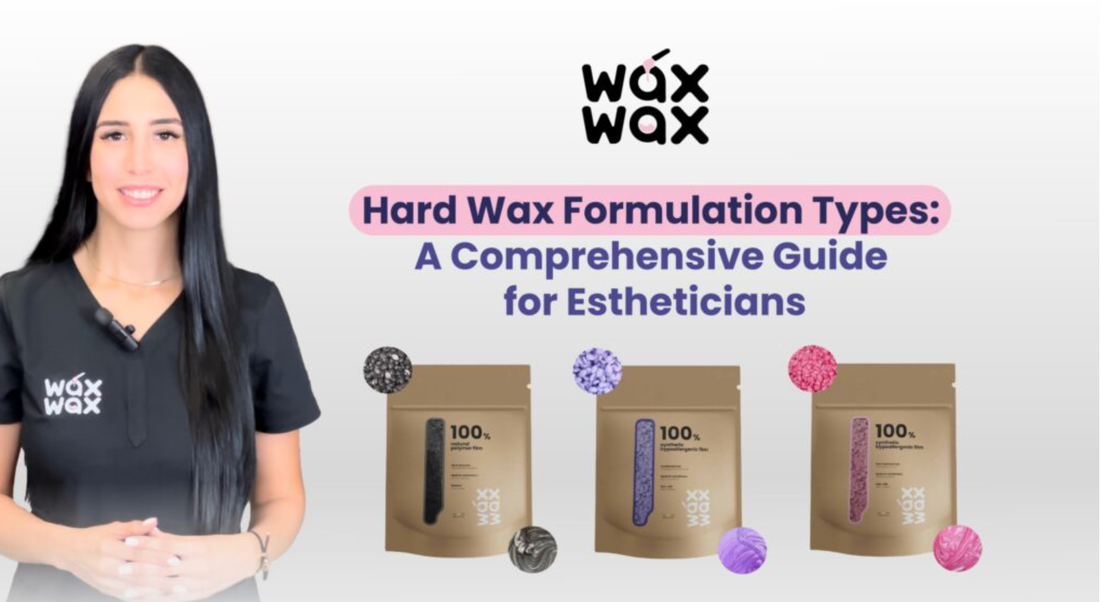

Hello, wax fam! If you’re ready to level up your hair removal game, you’ve come to the right place. We’re here to talk about types of hard wax—an absolute staple for estheticians, salon pros, and DIY enthusiasts alike. You might have heard the buzz about rosin-based wax, polymer blends, or something called hybrid formulas. But how do they all stack up? Which ones are best for delicate facial waxing vs. a full leg session? And what if your client (or you!) needs hard wax for sensitive skin?
Don’t fret—we’re about to drop 7 shocking facts that will have you waxing like a pro in no time. We’ll also show you how a hard wax kit can make your life easier, plus share the deets on next-level formulations like Bikini Wax Pink Pearl (polymer based and hypoallergenic), Eyebrow Wax Orchid (polymer based and hypoallergenic), and the ever-popular leg wax Stardust (Hybrid). Ready to roll, wax fam? Let’s dive right in!
TL;DR:
- There are several types of hard wax, each tailored to different needs: Rosin-based for coarse hair, Hybrid resin-polymer for flexibility, and Polymer-based for sensitive skin.
- Hypoallergenic and low-temperature waxes are ideal for sensitive clients or delicate areas like the face and bikini line.
- Using the right wax type based on skin sensitivity, hair texture, and area will ensure a smoother, more comfortable waxing experience.
- Consider a hard wax kit for easy, professional-quality waxing at home or in a salon.
Types of Hard Wax #1: Traditional Rosin-Based
When most people think of hard wax, they’re picturing something rosin-based. This formulation has been around for ages and remains a mainstay in many salons.
What’s Inside?
- Rosin (colophony): A natural resin from pine trees.
- Beeswax: Helps with spreadability and gives the wax a smoother feel.
- Paraffin or microcrystalline wax: Stabilizes the formula.
- Optional essential oils: These can help mask the strong, piney smell.
Pros and Cons
-
Pros:
- Strong adhesion, which is great for coarse hair.
- Typically budget-friendly and widely available.
- Time-tested—many estheticians trust it.
-
Cons:
- Can be sticky, so watch out if you or your client has sensitive skin.
- Some folks experience allergic reactions to rosin.
- The scent can be intense for those who prefer fragrance-free.
Best Uses
- Legs, arms, back—areas that don’t require a super gentle formula.
- Clients with coarse hair who need extra grabbing power.
- Non-sensitive skin types who won’t react to resin-heavy formulas.
If you’re curious to see all your rosin-based options in one place, head over to WaxWax Hard Wax for the full breakdown.
Types of Hard Wax #2: Hybrid Resin-Polymer

Next up is the “best of both worlds” approach. Hybrid resin-polymer wax combines natural rosin with synthetic polymers, creating a formula that’s both strong and flexible.
What’s Inside?
- Rosin + Synthetic Polymers (e.g., Ethylene/VA Copolymer): For extra elasticity.
- Soothing oils: Often added to keep redness at bay.
- Mineral pigments: Sometimes included for aesthetic appeal.
Why It’s Shocking
- It’s a perfect balance: You get the strong grip of resin without as much skin pull.
- It can tackle both coarse and fine hairs in one go, so it’s super versatile.
Pros and Cons
-
Pros:
- Reduced risk of skin irritation compared to pure rosin.
- Great for mixed hair types (coarse + fine).
- Spreads easily, so it’s a breeze to work with.
-
Cons:
- Slightly pricier than standard rosin wax.
- Might need a small technique adjustment: It sets a bit differently.
Best Uses
- Full-body sessions—legs, arms, underarms, you name it.
- Clients with mild sensitivities who still need strong hair removal.
- Combination hair—coarse in some spots, fine in others.
An excellent hybrid example is our leg wax Stardust (Hybrid), beloved by many for its star-like shimmer and minimal discomfort.
Types of Hard Wax #3: Polymer-Based

Polymer-based wax is a modern marvel in the waxing world. It’s known for its extreme flexibility and lower melting point, making it perfect for sensitive or delicate areas.
Composition
- Synthetic Polymers: These provide elasticity so the wax doesn’t crack.
- Plant-Based Oils: Nourish and protect the skin during the process.
- Titanium Dioxide or Mineral Pigments: Create a soothing, opaque appearance.
Why It’s Shocking
- Virtually no residue on the skin: The polymer composition clings to hairs, not skin.
- Lower temperature application: Minimizes the “ouch” factor.
Pros and Cons
-
Pros:
- Flexible, so it rarely breaks when peeling.
- Excellent for short, stubborn hairs.
- High comfort level for clients.
-
Cons:
- More expensive due to advanced ingredients.
- Requires practice to perfect your technique—temperature control is key.
Best Uses
- Facial waxing—brows, upper lip, chin.
- Bikini area—especially for clients who flinch at the thought of wax.
- All-over use for individuals who prefer a gentler, more sophisticated formula.
If you want to see polymer-based wax in action, check out Bikini Wax Pink Pearl (polymer based and hypoallergenic) or Eyebrow Wax Orchid (polymer based and hypoallergenic). They’re formulated to be super gentle yet highly effective.
Types of Hard Wax #4: Hypoallergenic Formulations

For clients with ultra-sensitive skin—or allergies to pine resins—hypoallergenic hard wax is a total game-changer. These waxes cut out common irritants, focusing on mild ingredients that still pack a punch where it counts.
Composition
- Synthetic Resins (Rosin-Free): Minimizes contact dermatitis.
- Natural Oils (like Jojoba or Almond): Offer skin nourishment.
- Titanium Dioxide: Helps calm and soothe the skin during application.
Shocking Facts
- Hypoallergenic doesn’t mean weak! These waxes can still handle coarse hair.
- They’re often lightly scented or fragrance-free, perfect for sensitive noses, too.
Pros and Cons
-
Pros:
- Reduced risk of redness, bumps, or allergic reactions.
- Often melt at a lower temperature, adding to overall comfort.
- Great for intimate areas where skin is most fragile.
-
Cons:
- Slightly higher cost.
- Might not adhere as strongly as rosin-based wax on extremely coarse hair (though some new formulations rival rosin).
Best Uses
- Facial waxing for clients prone to breakouts or rashes.
- Underarms and bikini line for those who tend to experience redness or ingrowns.
- New waxing clients who are worried about adverse reactions.
Both Bikini Wax Pink Pearl (polymer based and hypoallergenic) and Eyebrow Wax Orchid (polymer based and hypoallergenic) fall under this category, offering a gentler approach without sacrificing results.
Types of Hard Wax #5: Low-Temperature Hard Wax
If you’ve ever dreaded the thought of a scorching wax pot, low-temperature hard wax might be the ticket. These formulations melt and apply at a cooler range, reducing discomfort and burn risks.
Composition
- Low-Melting-Point Synthetic Waxes: So you can apply it at a gentler temperature.
- Calming Ingredients (e.g., Aloe Vera): Soothe the skin on contact.
- Mineral or Vegetable Oils: For a fluid, silky texture.
Why It’s Game-Changing
- Clients with ultra-sensitive skin often find this approach more bearable.
- Less chance of overheating your pot—especially helpful in busy salons or warmer climates.
Pros and Cons
-
Pros:
- Minimizes the “yikes, that’s hot!” factor.
- Easier to control for beginners.
- Great for rapid back-to-back waxing sessions.
-
Cons:
- Might cool too quickly if your room is chilly.
- Some formulas may not grip thick, coarse hair as effectively.
Best Uses
- Intimate areas like the Brazilian region, where comfort is paramount.
- Face, underarms—any region that’s extra sensitive.
- Clients who dread the hot wax feeling and want a calmer experience.
While not every brand labels itself “low-temperature,” many polymer-based or hypoallergenic lines melt at a lower setting, such as the super popular Bikini Wax Pink Pearl (polymer based and hypoallergenic).
Types of Hard Wax #6: Hard Wax Kit Essentials
A hard wax kit can be a lifesaver for both estheticians on the go and at-home waxers who want pro-quality results. A typical kit might contain:
- Wax Beads (or pellets) in your chosen formula.
- Wax Warmer with adjustable temperature controls.
- Applicator Sticks—different widths for large vs. small areas.
- Pre- and Post-Wax Products—like cleansing solutions, oils, or lotions.
What to Look For in a Hard Wax Kit
- Temperature Dial: Precise control to avoid overheating.
- Quality Wax Formulation: Consider polymer-based if you’re new to waxing or have sensitive skin.
- Bonus Accessories: Some kits include measuring cups, a see-through lid, or even brow shaping guides.
Check out the Hard Wax Kit or Brazilian Wax Kit for salon-like hair removal in a compact bundle. It’s a major time-saver and can pay for itself after a few uses—especially if you’re a busy esthetician or just a waxing enthusiast.
Types of Hard Wax #7: Hard Wax for Sensitive Skin
We’ve touched on hypoallergenic blends, but let’s go deeper into hard wax for sensitive skin specifically. People with conditions like eczema, rosacea, or simply a low pain threshold often struggle to find a wax that doesn’t leave them red and inflamed.
Key Features
- Rosin-Free or Low Rosin: Minimizes the main culprit behind wax-related allergies.
- Lower Melting Point: Gentle on delicate skin surfaces.
- Moisturizing Ingredients: Oils or aloe extracts to calm irritation.
Why This Matters
If you’re an esthetician, offering a “sensitive-skin-safe” option can expand your client base. You’ll earn loyalty from clients who usually avoid waxing due to painful experiences.
Recommended Products
- Eyebrow Wax Orchid (polymer based and hypoallergenic) for super-precise brow shaping without the ouch.
- Bikini Wax Pink Pearl (polymer based and hypoallergenic) for gentle hair removal in intimate zones.
Choosing the Right Hard Wax
Now that we’ve explored multiple types of hard wax, how do you pick the right one for your clients (or yourself)?
- Assess Skin Sensitivity: If the client has allergies or easily irritated skin, go for hypoallergenic or low-temperature waxes.
- Consider Hair Texture: Coarse hair may need a strong resin-based or hybrid formula. Fine hair might do better with polymer-based wax.
- Target Body Area: For large areas like legs, a sturdy formula like leg wax Stardust (Hybrid) can save you time. For the bikini line, a gentle approach (like Bikini Wax Pink Pearl) is key.
- Environment: If your salon is hot or cold, choose a wax that performs well within that temperature range.
- Budget & Preferences: Some clients want natural or organic products, while others prioritize zero pain.
Pro Tip:
Keep multiple wax types on hand to customize each service. An experienced esthetician can switch up formulations based on the client’s comfort level, hair type, and even the season.
Application Techniques and FAQ
Application Tips
- Test the Temperature: Always do a patch test on your wrist. You want the wax warm, not scalding.
- Apply in the Direction of Hair Growth: Then remove against the grain. This method pulls hair from the root for smoother results.
- Thicker Layers for Coarse Hair: For areas like underarms or bikini lines, a slightly thicker application helps prevent the wax from cracking.
Pre-Wax Prep
- Cleanse the Area: Remove makeup, lotions, or oils.
- Consider a Light Pre-Wax Oil: Some pros like to use a tiny bit of oil instead of powder to create a barrier. This can reduce irritation, especially with polymer-based waxes.
Post-Wax Care
- Soothe: Use aloe vera or a gentle post-wax lotion. Avoid alcohol-heavy products.
- Loose Clothing: Reduces friction, especially important for bikini or leg waxing.
- No Exfoliation for 48 Hours: Let your skin recover before you scrub.
- Watch the Sun: Freshly waxed skin can be sun-sensitive, so apply SPF or avoid direct sunlight.
FAQ
-
How do I prevent ingrown hairs?
Wait at least two days, then gently exfoliate 2–3 times a week to keep dead skin cells at bay. -
Can I wax during “that time of the month”?
Sure, but be aware skin is often more sensitive. If possible, schedule around your cycle. -
What if my wax is too sticky or won’t set?
Check your temperature. It’s likely too warm or you applied too thin a layer.
Types of Hard Wax Final Thoughts – Stay Flawless, Wax Fam!

Alright, wax fam, you’re officially armed with the lowdown on types of hard wax—from classic rosin-based blends to polymer-based wonders and everything in between. Whether you’re an esthetician looking to stock your salon with the best formulas, or a DIY home waxer eager to master your own hard wax kit, knowledge is power.
Remember:
- Traditional Rosin-Based waxes are tried-and-true but can be intense for sensitive folks.
- Hybrid Resin-Polymer gives you the best of both worlds—strength with less skin pull.
- Polymer-Based wax is the modern superhero, offering elasticity and comfort.
- Hypoallergenic and Low-Temp formulas are your go-to if your skin or your clients’ skin is on the sensitive side.
- Always do a patch test, keep your pot at the right temp, and show that freshly waxed skin some TLC afterward!
For a one-stop shop on your waxing journey, explore these links:
- Hard Wax Kit
- Brazilian Wax Kit
- Bikini Wax Pink Pearl (polymer based and hypoallergenic)
- Eyebrow Wax Orchid (polymer based and hypoallergenic)
- Leg Wax Stardust (Hybrid)
No matter which formula you choose, a little practice and the right techniques will have you slaying every waxing sesh. Stay consistent, keep an eye on your clients’ comfort, and you’ll be the talk of the beauty world in no time. Until next time, wax fam—go forth, stay flawless, and keep those waxing vibes strong!
Related Posts
-

Raising Waxing Prices: The Risk, The Downside, and The Strategy for Estheticians (The Masterclass)
Hello, WaxFam Pro. Let’s have an honest conversation about the scariest sentence in the beauty industry: "I am raisin...
-

The 3-Day Rule: How to Switch Hard Wax Brands Without Losing Speed (The Definitive Guide)
Hello, WaxFam Pro. Let’s be honest about something nobody talks about in our industry: Estheticians are terrified of ...
-

Top 5 Best Hard Wax Brands for Estheticians (2026 Ranked Review)
Hello, WaxFam Pro. It is 2026, and the waxing industry has evolved. Choosing a primary hard wax brand is one of the b...
-
Mermaid Wax vs. Wax Wax: Aesthetics vs. Performance
TL;DR: The Quick Verdict Mermaid Wax is the aesthetic queen—beautiful, glittery, color-changing beads that are perfe...
-
Black Coral Wax vs. Wax Wax: American Standard vs. European Excellence
TL;DR: The Quick Verdict Black Coral is a respected American brand known for strong formulas and professional reliab...
-

Nova Wax vs. Wax Wax: Influencer Marketing vs. Clinical Evidence
TL;DR: The Quick Verdict Nova Wax built its empire on influencer partnerships and Instagram aesthetics—beautiful bra...
-
GiGi vs. Wax Wax: Why Your Skin Deserves Better Than Drugstore Wax
TL;DR: The Quick Verdict GiGi is the mass-market king—available in every drugstore and beauty aisle—making it the de...
-
Berodin vs. Wax Wax: Professional Strength Meets Gentle Care
TL;DR: The Quick Verdict Berodin is a legendary professional brand known for its rigid polymer efficiency on coarse ...
-

Starpil vs. Wax Wax: Simplicity Over Complexity
TL;DR: The Quick Verdict Starpil is an industry giant with 50+ formulas, a massive education ecosystem, and a reputa...
-

WaxOne vs. Wax Wax: Speed vs. Comfort—Which Should You Choose?
TL;DR: The Quick Verdict WaxOne is the professional workhorse: flexible, strong, built for speed waxing and high-vol...
-
Waxness vs. Wax Wax: Which Hard Wax is Best for Your Salon?
TL;DR: The Quick Verdict Waxness is a fantastic "best value" brand offering 100+ formulas and award recognition for ...
-

Cirepil vs. Wax Wax: Which Hard Wax is Better for Sensitive Skin?
TL;DR: The Quick Verdict Cirepil is the traditional salon gold standard known for reliable grip on coarse hair and d...
-

Strategic Service Pricing: How to Price Your Waxing Menu for Profit
TL;DR: The Pricing Action Plan The Competitor Trap: Never base your prices solely on what the salon down the street ...
-
Pimples After Waxing: Acne vs. Histamine Reaction Guide
TL;DR: The Breakout Troubleshooting Guide Breakout Confusion: Not all bumps are acne. Distinguish between true acne ...
-

Mandatory SOPs for a Modern Waxing Salon: The Operational Checklist
TL;DR: The SOP Action Plan Consultation First: Standardize your client consultation to check for contraindications l...
-

DIY Brazilian Wax at Home: Your Expert Guide to the 4-Zone Method for Comfort
TL;DR: The DIY Brazilian Cheat Sheet The 4-Zone Method: Break the area into 4 sections (Pubis, Outer Sides, Labia, ...
-
Face Waxing Safety: The Retinol Ban List & Skin Lifting Prevention
TL;DR: The Facial Waxing Safety Checklist The Golden Rule: Never wax the face if the client has used Retinoids, Tre...
-

Hard Wax Consistency: The Temperature Guide for the Perfect Pull
TL;DR: The Consistency Cheat Sheet The "Thick Honey" Standard: The perfect hard wax consistency is like **thick hon...
-
Manzilian Wax: Pricing, Safety & Positioning Guide for Professionals
TL;DR: The Manzilian Profit Cheat Sheet High-Ticket Value: The Manzilian service commands a premium price due to...
-

The Pain-Free Profit Loop: Using Hard Wax Quality to Guarantee Client Rebooks
TL;DR: The Profit Loop Cheat Sheet Retention is Revenue: Acquiring a new client costs 5x more than retaining an exi...
-

The Ultimate Hard Wax Profit Report: Using Cost-Per-Service Data to Maximize Profit
TL;DR: The Profit Cheat Sheet Time is Money: The highest cost in your salon is the Esthetician's time. A faster ser...
-
Bumps, Ingrowns & Redness: Troubleshooting Your Underarm Wax
TL;DR: The "Pit-Panic" Cheat Sheet White Bumps in the Pit (Folliculitis): These tiny pus-filled spots happen when b...
-

Underarm Waxing Aftercare: The Deodorant Dilemma & Hygiene Rules
TL;DR: The "Pit-Specific" Safety Zone The Deodorant Ban: Do NOT apply standard deodorant or antiperspirant to your ...
-

Does Armpit Waxing Hurt? The Honest Truth & How to Minimize the Ouch
TL;DR: The Pain Management Cheat Sheet The "Ouch" Scale: Yes, it stings, but it’s a 3-second sharp sensation, not a...
-

How to Wax Underarms at Home: A Step-by-Step Guide for Beginners
TL;DR: The DIY Shortcut Map Your Hair: Armpit hair grows in a chaotic swirl. You must wax in two distinct sections ...
-

The Advantages of Waxing Underarms: Why Your Hygiene Routine Needs an Upgrade
TL;DR: The "Pit-Specific" Benefits Banishes the "Pit Shadow": Waxing removes the dark root beneath the thin underar...
-

Ibuprofen Before Waxing: A Pro's Guide to Pain Management
TL;DR: The Pro Guide to Ibuprofen for Waxing Here’s the quick, responsible guide for our busy WaxFam: Does it work?...
-

How to Properly Position Clients for Waxing: The Pro-Esthetician's Guide
TL;DR: For the Busy WaxFam Pro Here’s the high-level summary of professional positioning: It's Not Just Comfort, It...
-
What Is the Best Lotion for Preventing Ingrown Hairs? A Pro's Guide
TL;DR: The Pro-Grade Solution Here’s what to look for when you're shopping for the "best" lotion: It's a "Treatment...
-

Infected Ingrown Hair vs. Pimple: How to Tell the Difference
TL;DR: What Your Bump Is Telling You Here’s the fast guide to identifying that mysterious red bump: Is it a Pimple?...
-
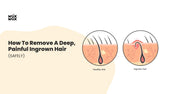
How to Remove a Deep, Painful Ingrown Hair (Safely)
TL;DR: What to Do About a Deep Ingrown Hair Here's the short, safe answer for our WaxFam: STOP! Put the Tweezers Do...
-

How to Exfoliate to Prevent Ingrown Hairs (The Pro Guide)
TL;DR: The Pro-Exfoliation Method Here's the quick guide to stopping ingrown hairs before they start: Why Exfoliate...
-
Are Dyes in Hard Wax Safe? A Guide to Hypoallergenic Formulas
TL;DR: Are Dyes in Wax Safe? Here’s the short answer for our busy WaxFam: Not all dyes are bad, but low-quality, har...
-

The Real Secret to Waxing Salon Client Retention
TL;DR Client retention isn't just marketing; it's built into the core of your waxing service, starting with the pr...
-
The Ultimate Guide to Waxing Techniques
TL;DR Mastering waxing techniques means understanding more than just pulling hair. It’s about a holistic process: ch...
-
The Esthetician's Troubleshooting Guide: How to Solve the 5 Most Common Post-Waxing Skin Reactions
TL;DR / Executive Summary Post-waxing skin reactions can undermine client trust and salon profitability, but with t...
-

How to Effectively Upsell and Cross-sell Retail Products in Your Salon
TL;DR / Executive Summary Upselling and cross-selling retail products in your waxing salon can significantly boost ...
-
The Highest Standards of Hygiene and Sanitation for a Waxing Salon
TL;DR / Executive Summary Maintaining the highest standards of hygiene and sanitation is non-negotiable for waxing ...
-

The Science of Sensitivity: A Deep-Dive into the Hypoallergenic Ingredients of WaxWax.com Hard Waxes
TL;DR / Executive Summary Client safety and satisfaction are paramount in a waxing salon, and choosing hypoallergen...
-

Mandatory Standard Operating Procedures (SOPs) for a Modern Waxing Salon
TL;DR / Executive Summary Implementing robust Standard Operating Procedures (SOPs) is essential for a modern waxing...
-

Key Considerations in a Franchise Agreement and Disclosure Document
TL;DR / Executive Summary Launching a waxing franchise and start a waxing business requires a deep understanding of...
-

Leveraging Social Media (Instagram, TikTok) for Your Waxing Salon
TL;DR / Executive Summary Social media platforms like Instagram and TikTok are powerful tools for waxing salons to ...
-

Tips for Recruiting, Training, and Retaining Professional Estheticians
TL;DR / Executive Summary Recruiting, training, and retaining professional estheticians is critical for a waxing fr...
-

A Guide to the Business Permits and Licensing Needed to Open a Salon
TL;DR Opening a waxing salon and hair removal franchise requires navigating a complex web of business permits and l...
-

Analyzing the Profit Potential and ROI of a Beauty Franchise
TL;DR / Executive Summary Investing in a beauty salon franchise offers significant profit potential, but maximizing...
-

Top 10 FAQ on Waxing Franchise Opportunity
TL;DR / Executive Summary Exploring a waxing franchise opportunity can be a game-changer for entrepreneurs, but it c...
-
Top 5 Challenges Waxing Businesses Face & How Franchises Can Be the Solution
TL;DR / Executive Summary Waxing businesses face significant challenges that can hinder profitability and client sat...
-

A Step-by-Step Guide to Choosing a Strategic Location for a Waxing Salon
TL;DR / Executive Summary Selecting the perfect location for your waxing salon is a critical decision that drives cl...
-
Franchise vs. Independent Waxing Salon: An Analysis of Pros and Cons
TL;DR / Executive Summary Deciding between a franchise or independent waxing salon is a pivotal choice for entrepren...
-
A Complete Breakdown of Startup Costs for Opening a Waxing Salon
TL;DR / Executive Summary Opening a waxing salon requires careful financial planning to ensure profitability, client...


